Hi, can you show a video of the dropouts/flickering? It could help narrow down the potential issues. My first instinct is EMI or power (5V rail) stability/noise issues. There are ferrites by Fair-rite made for flat/IDC cables like the ZZ9000 video slot cable that you can clip on both sides. But actually, a first thing to try is removing the video slot cable completely, and see if that makes the RTG output stable (obviously the scandoubler function won’t work during that time). Another thing to try is the ZZ9000 with scandoubler cable, but without the CPU accelerator. If that doesn’t give a stable boot screen, maybe the card is just somehow not compatible with the replica A2000.
Hello, i’ve had horrible problems with flickering in the past - with my Amiga 2000-EATX. I found out much later that the ZZ couldn’t work without the PSU tick signal. Once i built an external tick generator (Amiga-2000-EATX/TICK at main · jasonsbeer/Amiga-2000-EATX · GitHub), everything worked fine. I suspect that the first revisions of the A2000EATX had the same configuration as if you set the internal tick jumper on a regular A2000.
So check your PSU, if it actually delivers the needed tick signal.
I finally had some time to test things more thoroughly. The Tick board is now installed in my A2000 E-ATX—first of all, thanks for the tip! That really helped with the RTG resolution; those screen dropouts and glitches are now gone.
Unfortunately, the RGB output is still not looking good. I’ve tested with and without the “Dicke Olga” (Matze’s adapter), tried a new 34-pin cable, and even moved the ZZ9000 to different slots—but none of it made a difference. The RGB image looks like the colors aren’t properly aligned or overlaid.
When I use the RGBtoHDMI card, the image looks clean and sharp.
Glad that the RTG is sorted out. I had forgotten about the Tick issue, so many thanks to @jcanodk for jumping in!
The scandoubler issue looks like pixel clock phase shift. It could be that you’re using an unexpected version of Denise, maybe one for the A500/A500+? Do you have other Denise models you could try, or do you have our Denise adapter for A500?
One more thing that you could check to confirm this is using the Z3 firmware. It will obviously not work for RTG but I think you’ll get scandoubler output and the picture should look different. If it looks OK, I could perhaps build a Z2 firmware that uses the A3000/A4000 phase shift value.
Thanks for the tip about Denise – that really did the trick! A user on A1k had also suggested using a Super Denise since it provides more stable signals, and that finally solved the issue. Together with the Tick board, everything now seems to be running perfectly.

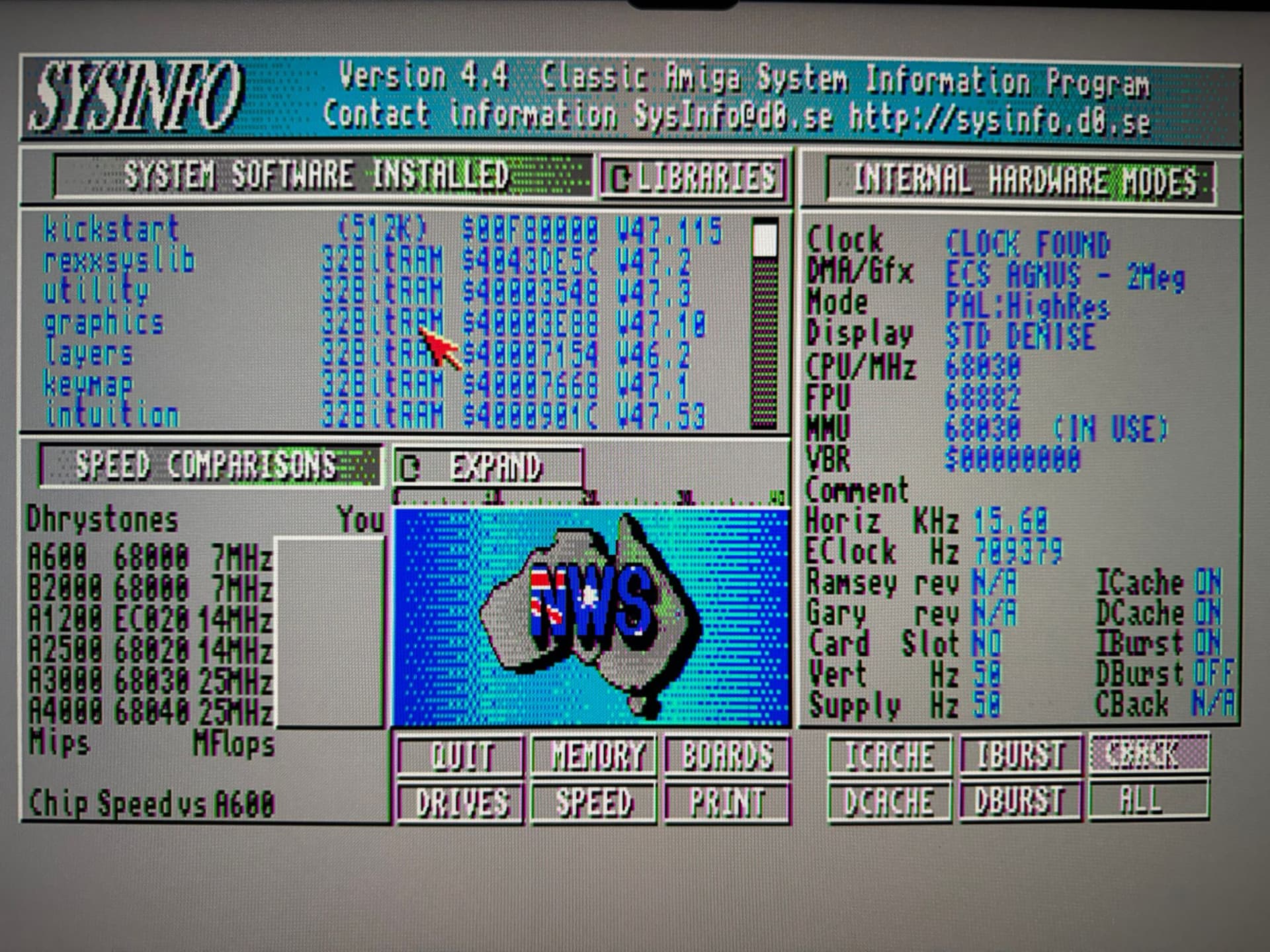
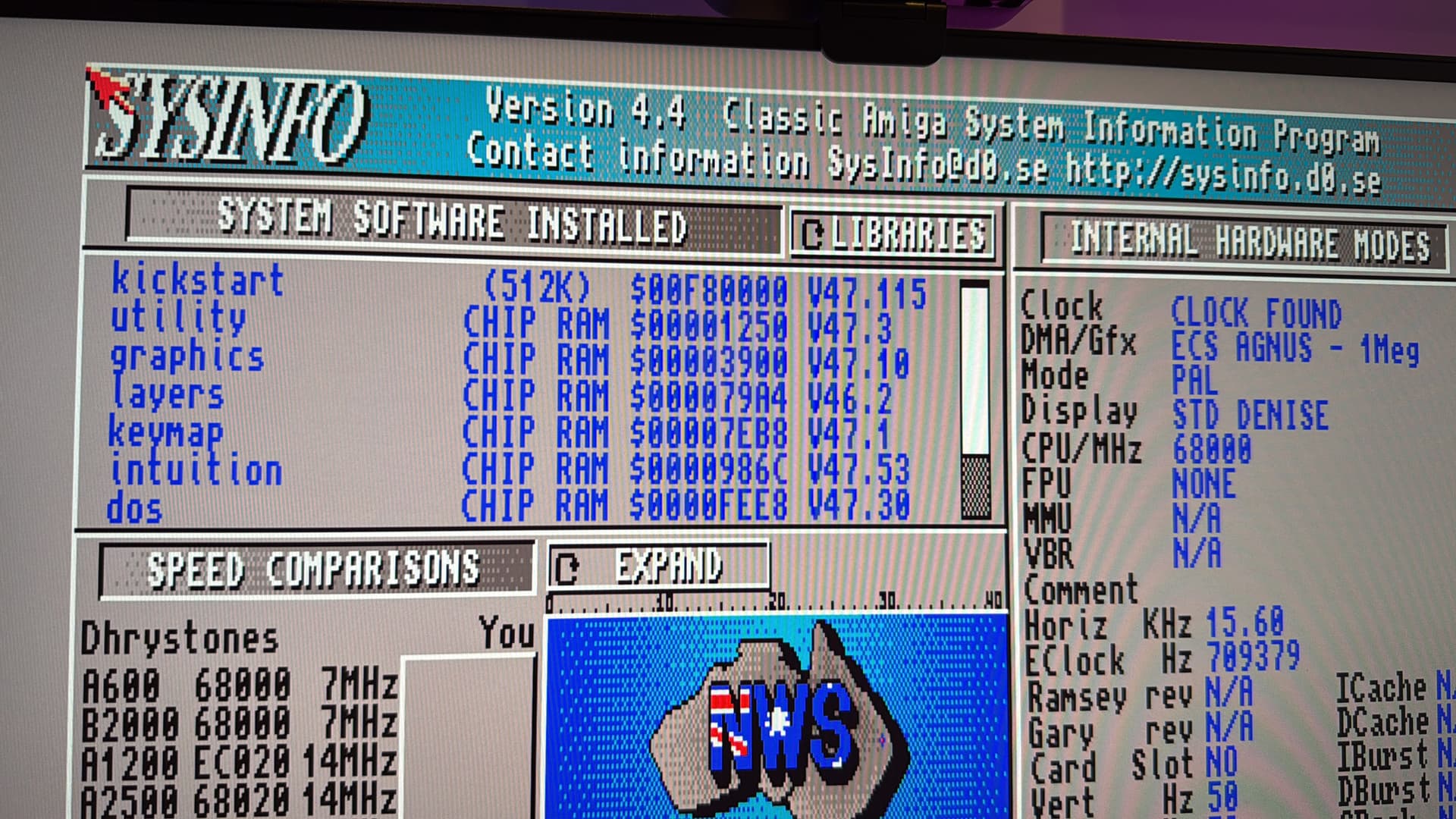
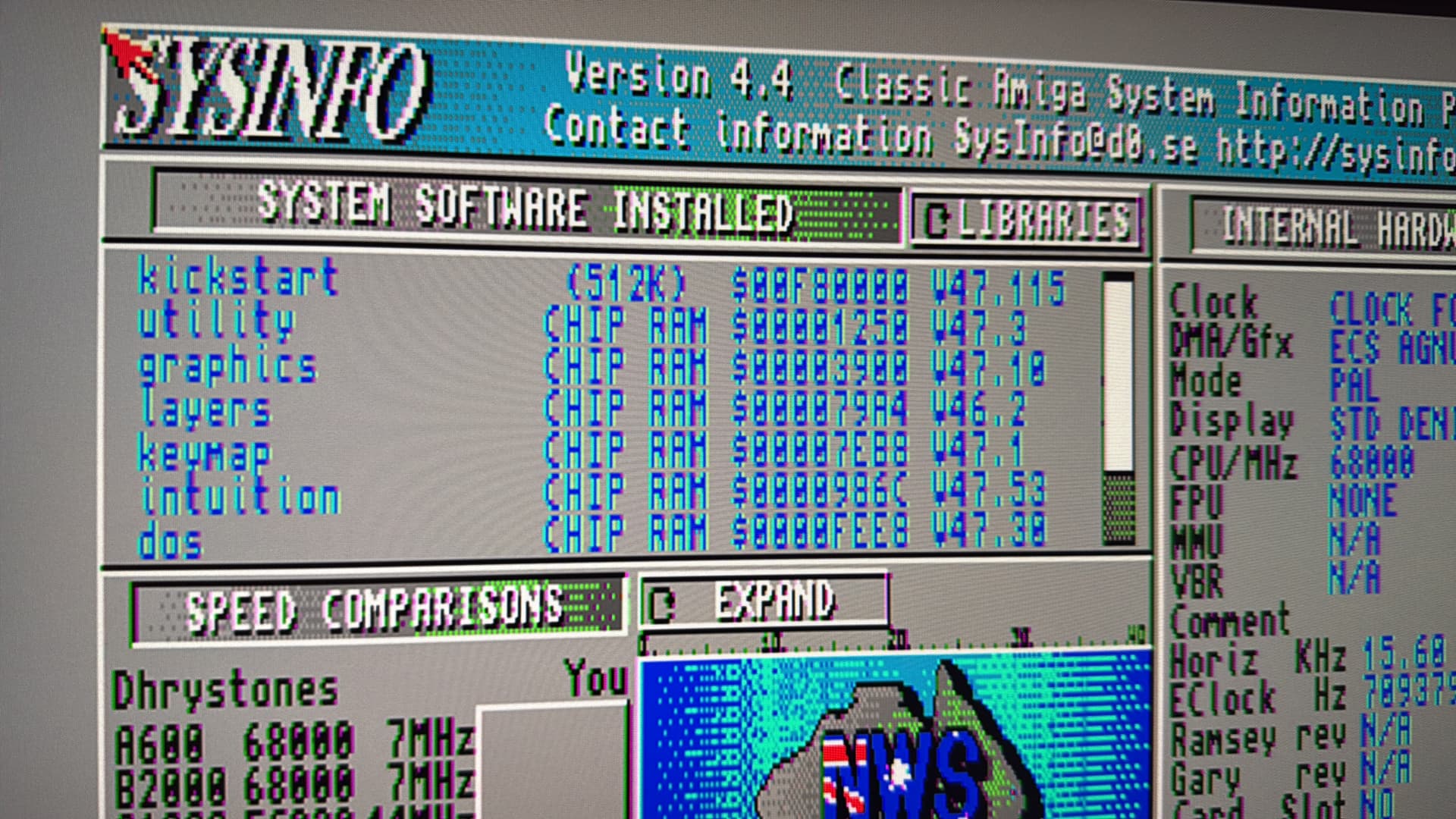
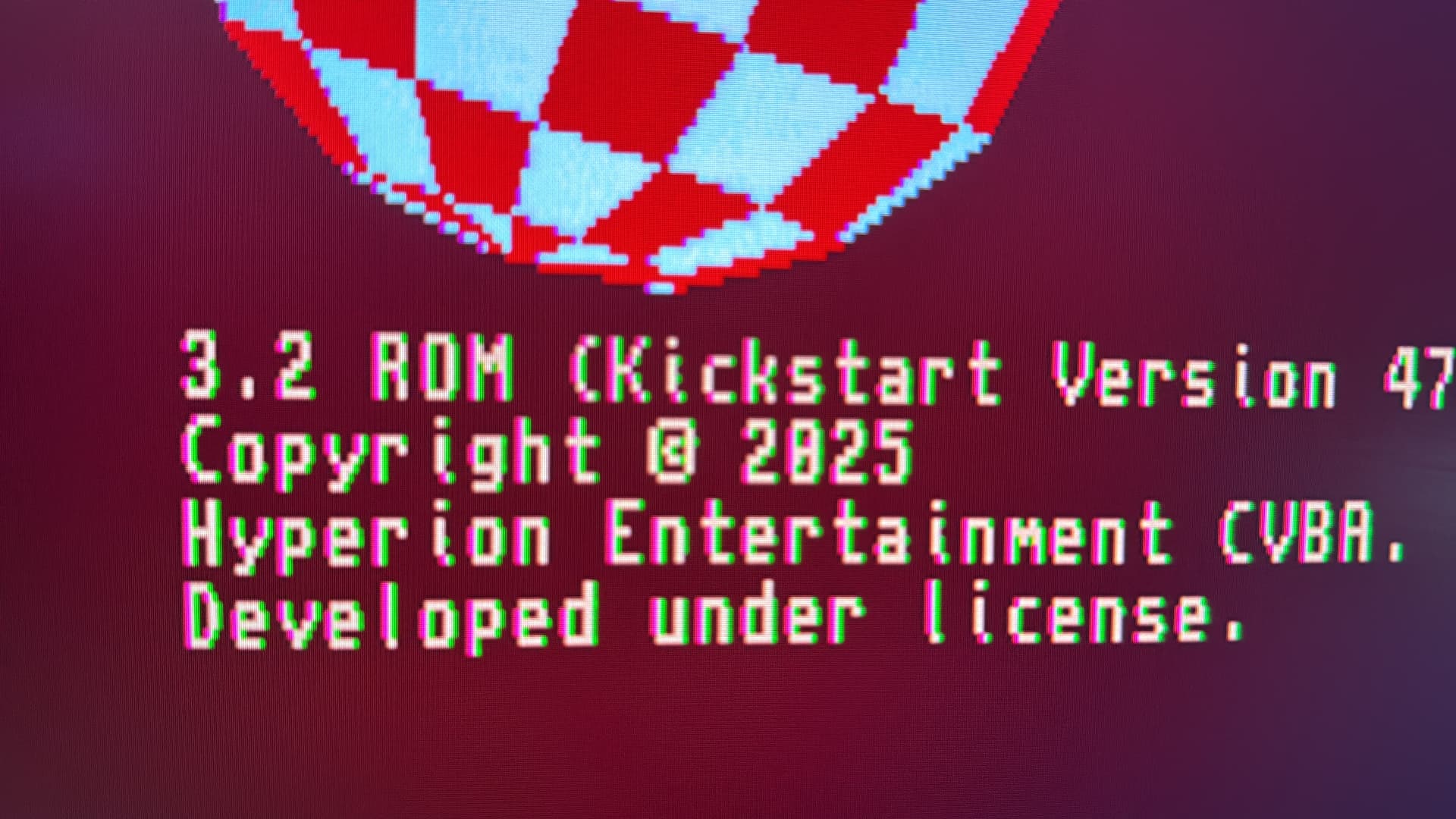
 A user on A1k had also suggested using a Super Denise since it provides more stable signals, and that finally solved the issue. Together with the Tick board, everything now seems to be running perfectly.